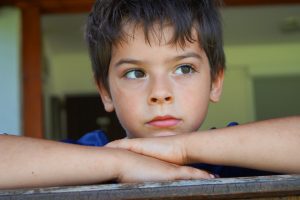
 Emotional loss is part of the human condition and, though painful, is part of our growth into caring, compassionate adults. Grief is the process through which we heal.
Many of us grow up without learning how to grieve in healthy ways, how to let go of the pain while keeping memory close. Often, the processing of our grief is something that waits until adulthood, when we become conscious of how early losses have impacted our lives.
While we usually associate grief with death, the variety of emotional loss is vast. And though it’s hard at any age, it’s even more so for children. Loss is something new, a shock to their sense of stability and security. A loved one dies. Parents divorce. A friend moves away or simply “disappears” from your world for no reason you can see.
The consequences of stifled childhood grief and unresolved loss can be destructive, to say the least, particularly over the long term.
Inclusion, Expression, Healing
Naturally, there’s often an urge to shield children from anything severely painful or even “negative.” Maybe it’s going on a “fun” trip while a parent moves out after a divorce or otherwise distracting the child from life-changing events. Maybe it’s not allowing a child to attend a family burial out of fear that the experience would be “too much” for them to take. Maybe it’s withholding details about the circumstances of death to out of a desire not to cause extra pain.
Yet feelings of exclusion and not knowing can actually worsen the pain and get in the way of healing. Inclusion, on the other hand, bolsters the healing process. As one study in the Journal of Death and Dying put it,
Our study indicates that it was very important for the children to be included in the rituals and accordingly be recognized as grievers alongside adults.
Being included contributes to legitimating their status as a “full” member of the family system, with an equal status to adult grievers in an important and vulnerable phase of the family’s life.
The children were pleased that they through ritual performances were given the opportunity to “see for themselves,” both in order to better comprehend and accept the reality of the loss and to take farewell with their loved ones.
Just as important as coming to comprehend and accept the reality of loss is having avenues through which to express grief. Indeed, that expression is central to healing. Clinically, we see that
With respect to effective interventions for loss-affected youths, validation of the loss, timely and genuine support, active listening and reflection, personal empowerment, and enduring compassion are paramount.
Also, given the comfort levels of individual youths for specific activities through which to express their grief after a loss, it is important to have a variety of developmentally appropriate activities/opportunities in which to engage children and adolescents.
Accordingly, loss-related support groups, individual and group-based psychological (therapeutic) interventions, and visual creative arts (drawing, painting), literary-based (bibliotherapy, journaling), and music-based activities have demonstrated varying degrees of clinical effectiveness with loss-affected youths.
Lynea recalls working with a kindergarten student once whose mother had recently died of a long illness. The teacher consulted with her, and the student’s father came in to tell her the details of the situation. Since the young girl had been withdrawn and didn’t talk about it, Lynea agreed to provide individual sand tray work with her.
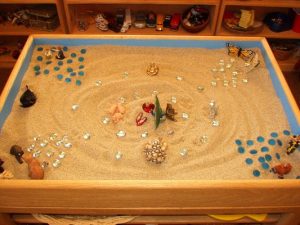 At first, the girl’s play was typical to other kindergarten children – animals, fairies, and lots of babies. Then the work turned toward her mother. She chose a character from the shelf that looked like her mother, then buried her in the sand and told Lynea about all the people who came to see her and brought her flowers, bringing characters one by one from the shelf to show her.
Then she pulled the mother out of the sand. The character had flowers on her dress. “Look!” she said. “My mother got all of the flowers they gave her. They are on her dress!” Her eyes sparkled.
“We have to bury her again,” the girl said, “but this time we won’t bury her face.”
“We won’t bury her face?”
“No,” the girl stated. “We want to remember her face.” Then she gently brushed all of the sand away from the character’s face and began at last to tell Lynea about her mother.
Moving Beyond Anger & Pain
Learning how to grieve frees us to be fully alive, to embrace all of life, and to move beyond anger and pain and into acceptance.
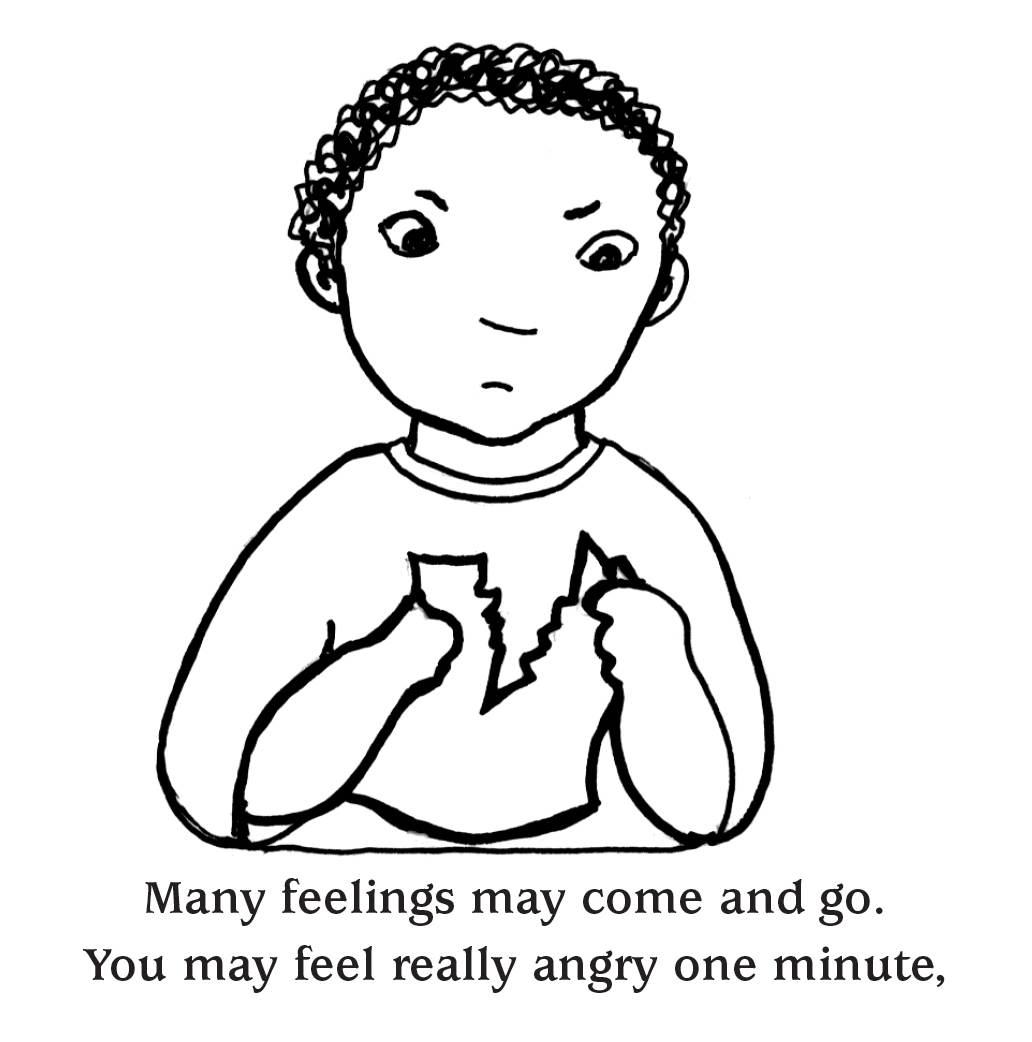
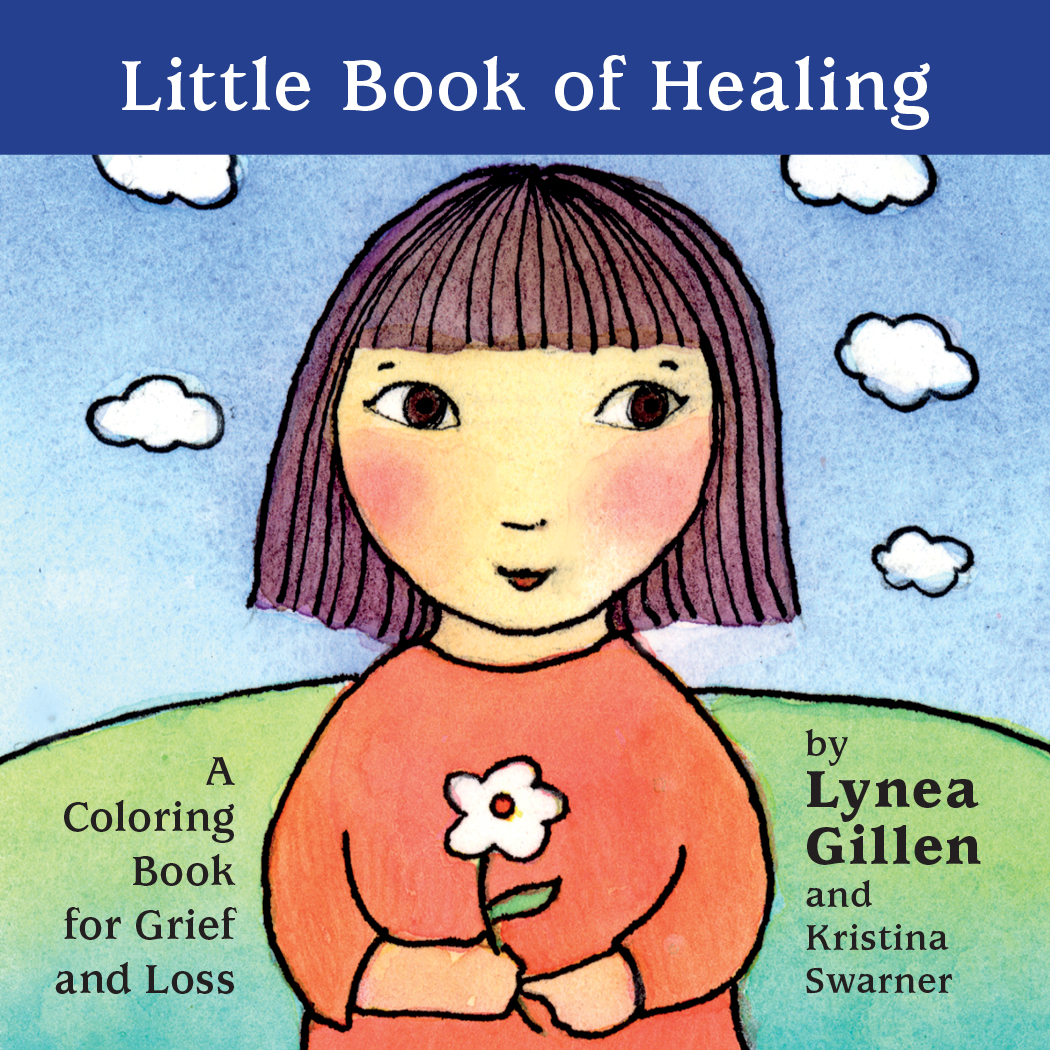 Facilitating that learning is what ultimately led Lynea to write her newest book, The Little Book of Healing: A Coloring Book for Grief and Loss. She kept the words simple, shining light on the wide variety of things we may experience or feel after any kind of loss, reassuring that our reactions are normal. And the book is designed to be colored, providing a soothing activity during the time of grief.
Her goal: to soothe and teach simultaneously, to show that grief is normal and safe on the route to healing and growing into caring, compassionate adults.
Here’s a sample…
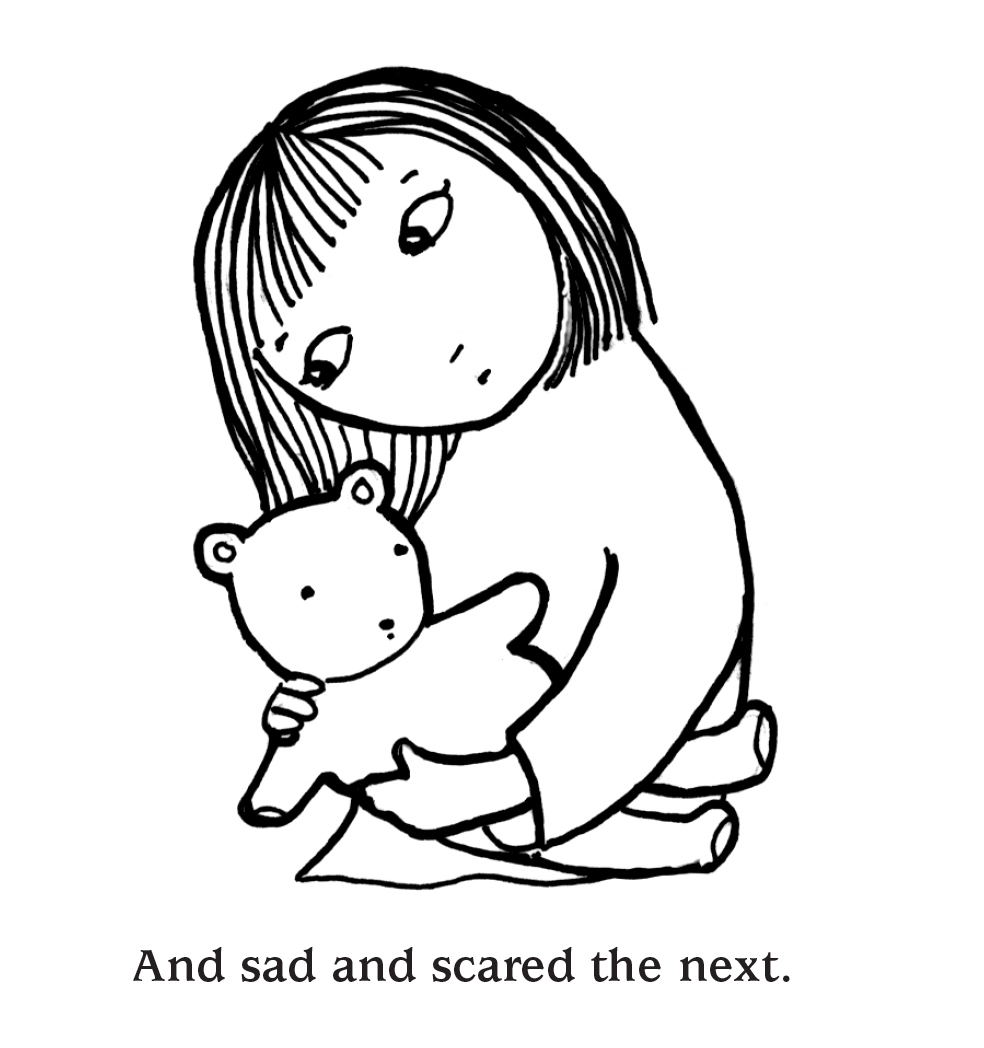
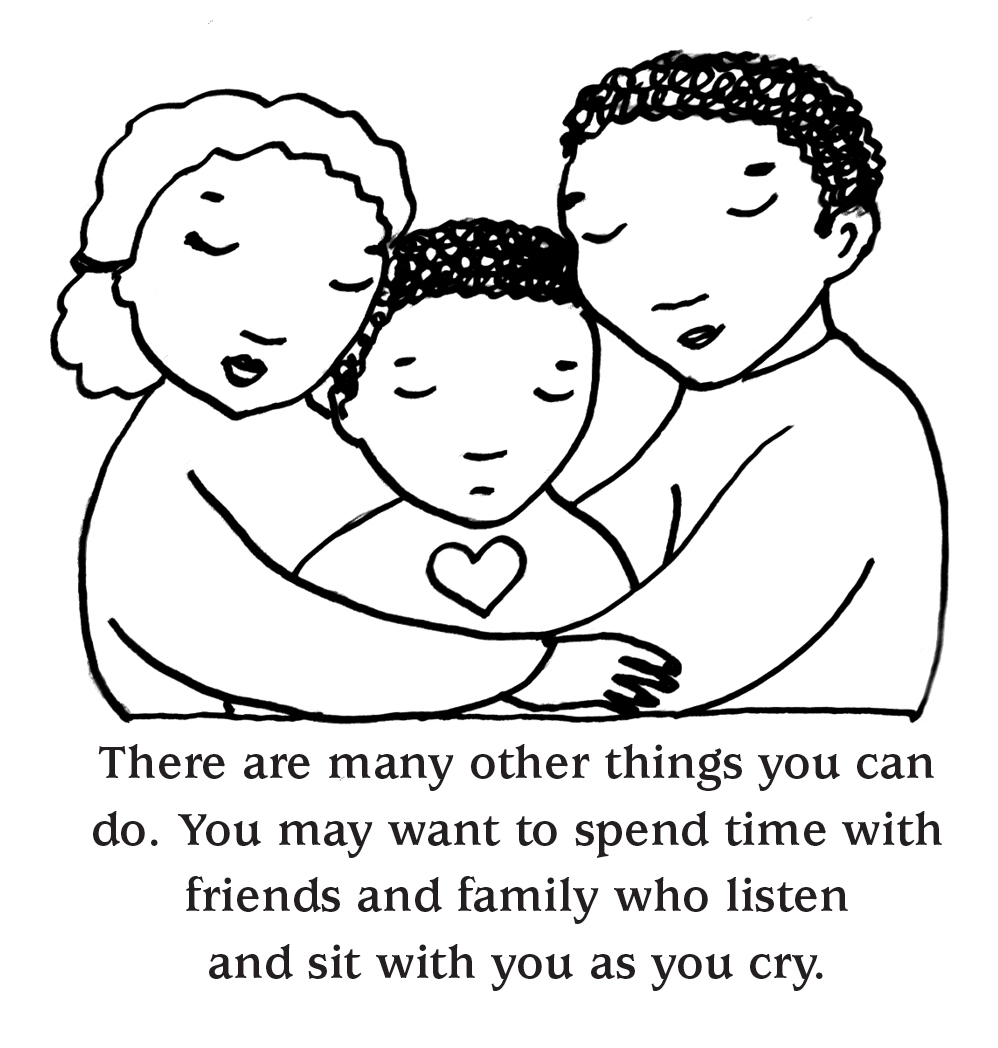
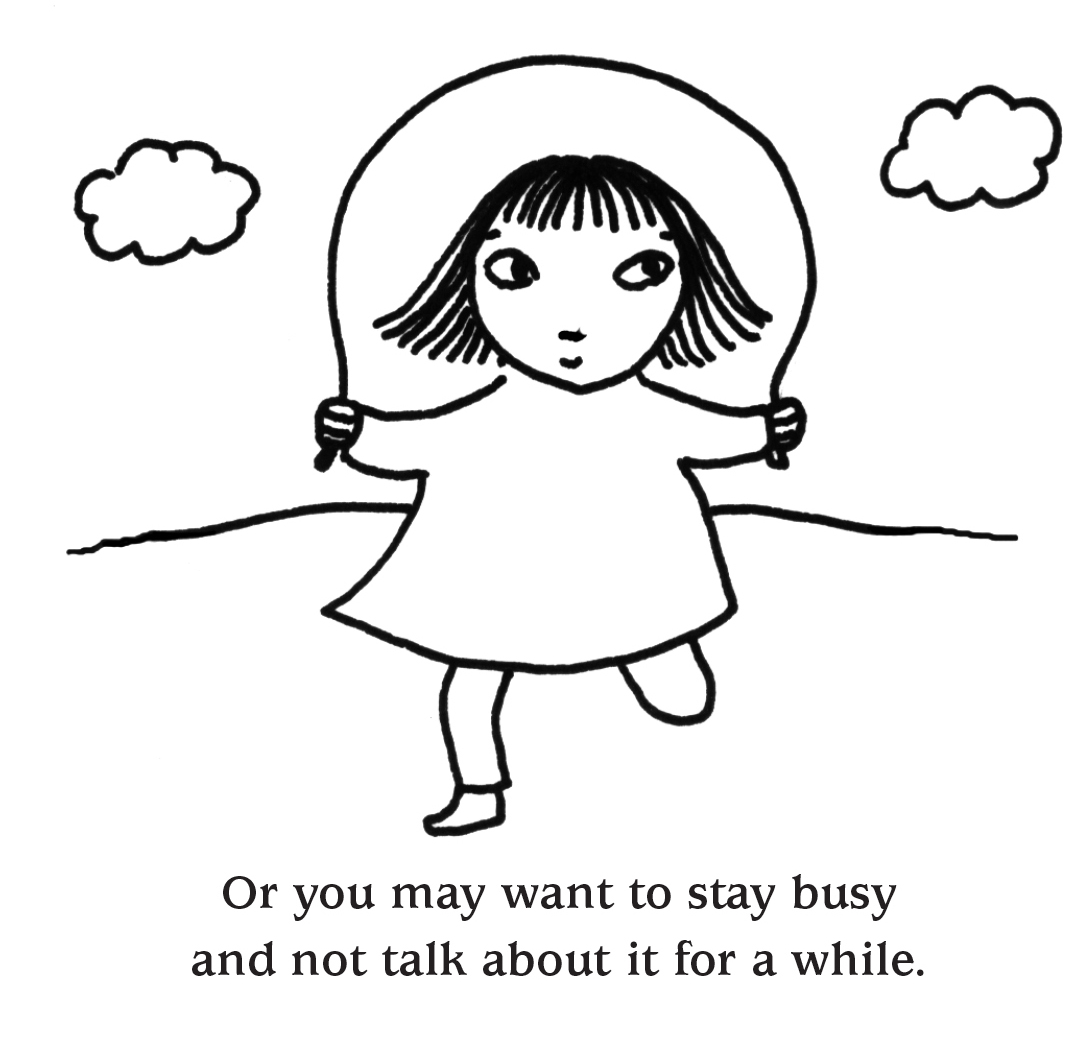
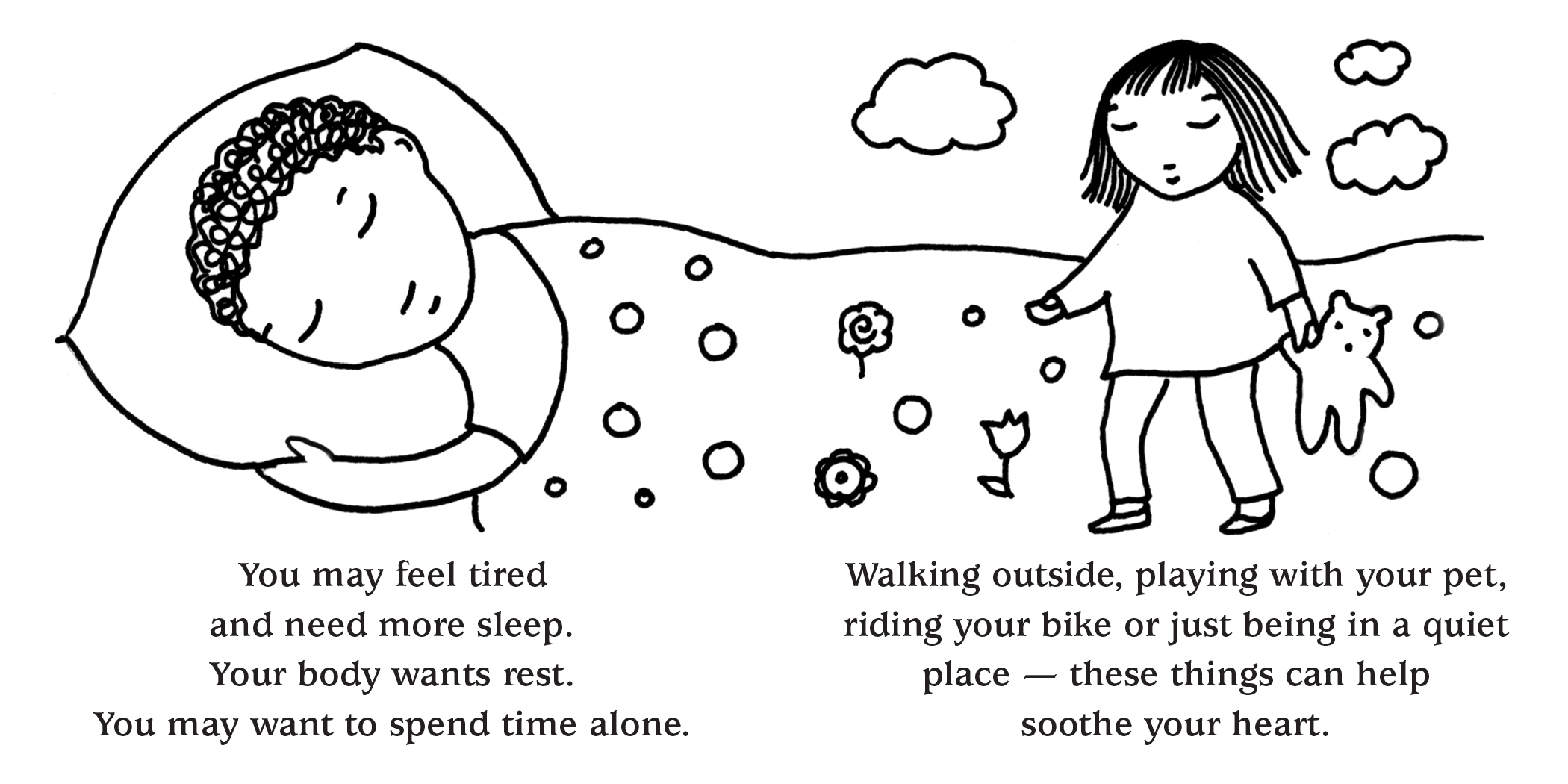
Order copies of The Little Book of Healing now.
The post Helping a Child Through Grief & Loss appeared first on Yoga Calm.
Helping a Child Through Grief & Loss posted first on http://www.yogacalm.org

 It was clear that the young men in the psychiatric unit weren’t much interested in yoga. Struggling with addiction and mental health, they appeared cautious, wounded, apathetic. Lounging in their hospital scrubs, they shot us suspicious glances.
 Only recently have we really begun to appreciate just how deeply trauma and “toxic stress” can impact a child’s development and, in turn, their future as an adult. Research has shown just how much these experiences
 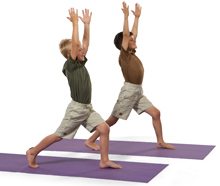 Finding a place of strength from which to confront the trauma, we feel, is essential to long-term healing.
 “We did a week of learning in the body,” she says. “We did strength poses, worked on community activities, did a lot of grounding. They learned to find their place of strength and safety. There was lots of Warrior, Woodchopper, Mountain – those types of poses. We focused on strength, bravery, and community.”